

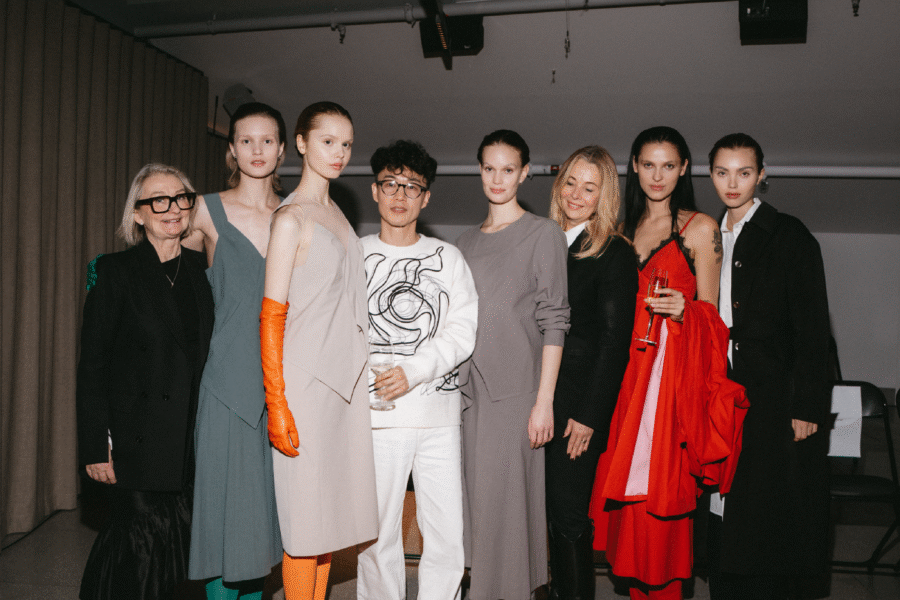
Interview: Benjamine Cadette
In this interview, we meet Hyoung Ook Choi, the designer behind Benjamine Cadette to discuss timeless design, conscious production, and fashion as a carrier of memory and storytelling. With a background shaped by both Seoul and Paris, and with nature as a recurring source of inspiration, the designer reflects on responsibility, creativity, and future ambitions within a Swedish context.
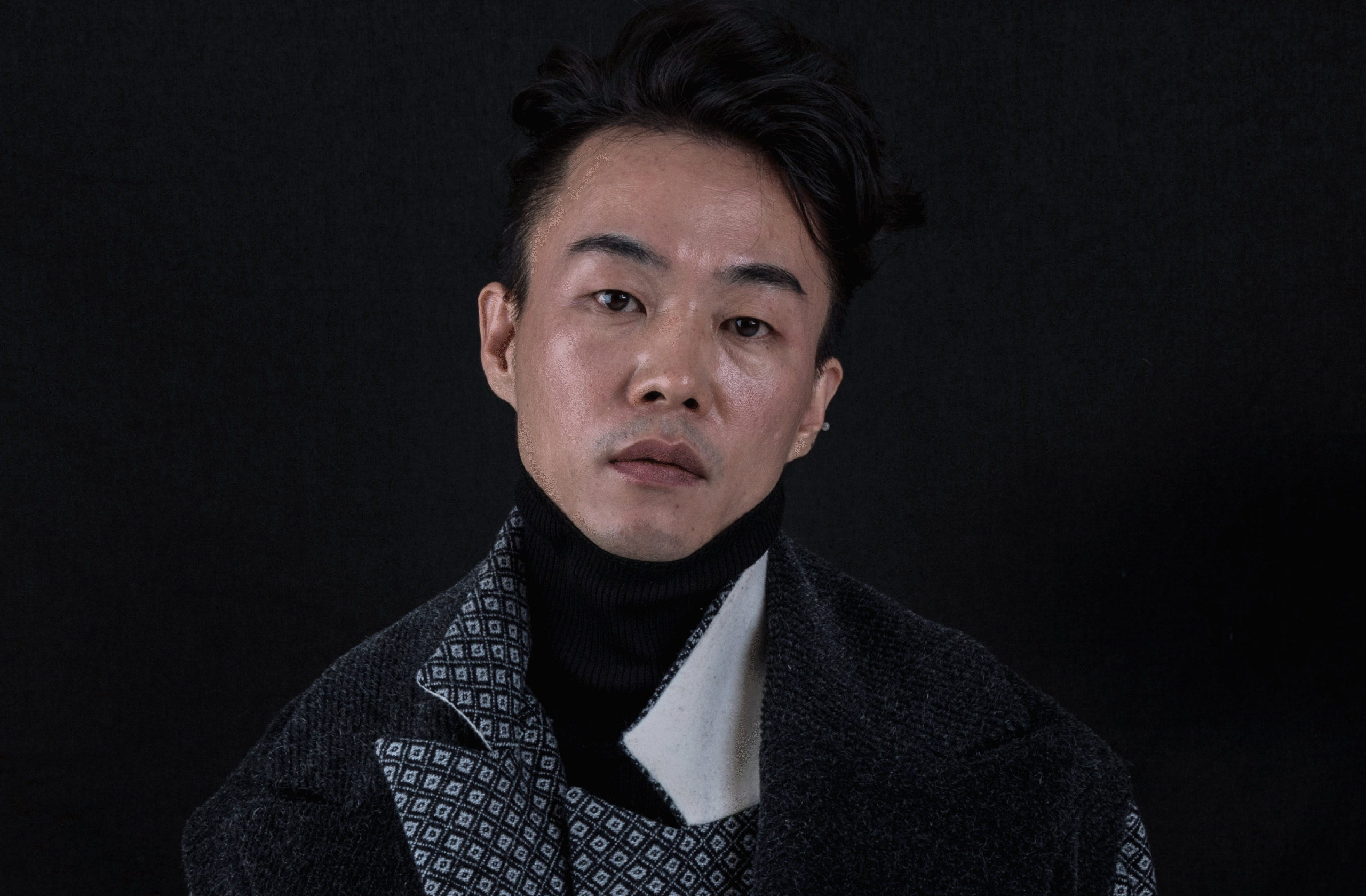
Photo cred: Viktor Tägt Ring
Your brand emphasizes timeless, season-less pieces rather than trend-driven fashion. How do you define “timelessness,” and what does that mean for how you design your collections?
As a designer, I do not define timelessness as simply creating classic or minimal pieces. For me, timeless design means creating garments that people choose to keep and wear for a long time, rather than discard.
This does not mean ignoring trends entirely. I believe it is important to understand the context of trends, but I consciously avoid designing pieces that belong too directly to a specific moment. Instead, I focus on creating designs that can exist comfortably within changing trends without feeling outdated.
This perspective directly shapes the way I design my collections. Once a collection reaches a certain stage, I place the pieces side by side and ask myself, both from a design and a practical point of view, whether I would still want to wear them five years from now. One of the most meaningful feedback I receive as a designer is hearing from customers who tell me they are still wearing a blouse they purchased ten years ago. That, to me, is the clearest definition of timelessness.
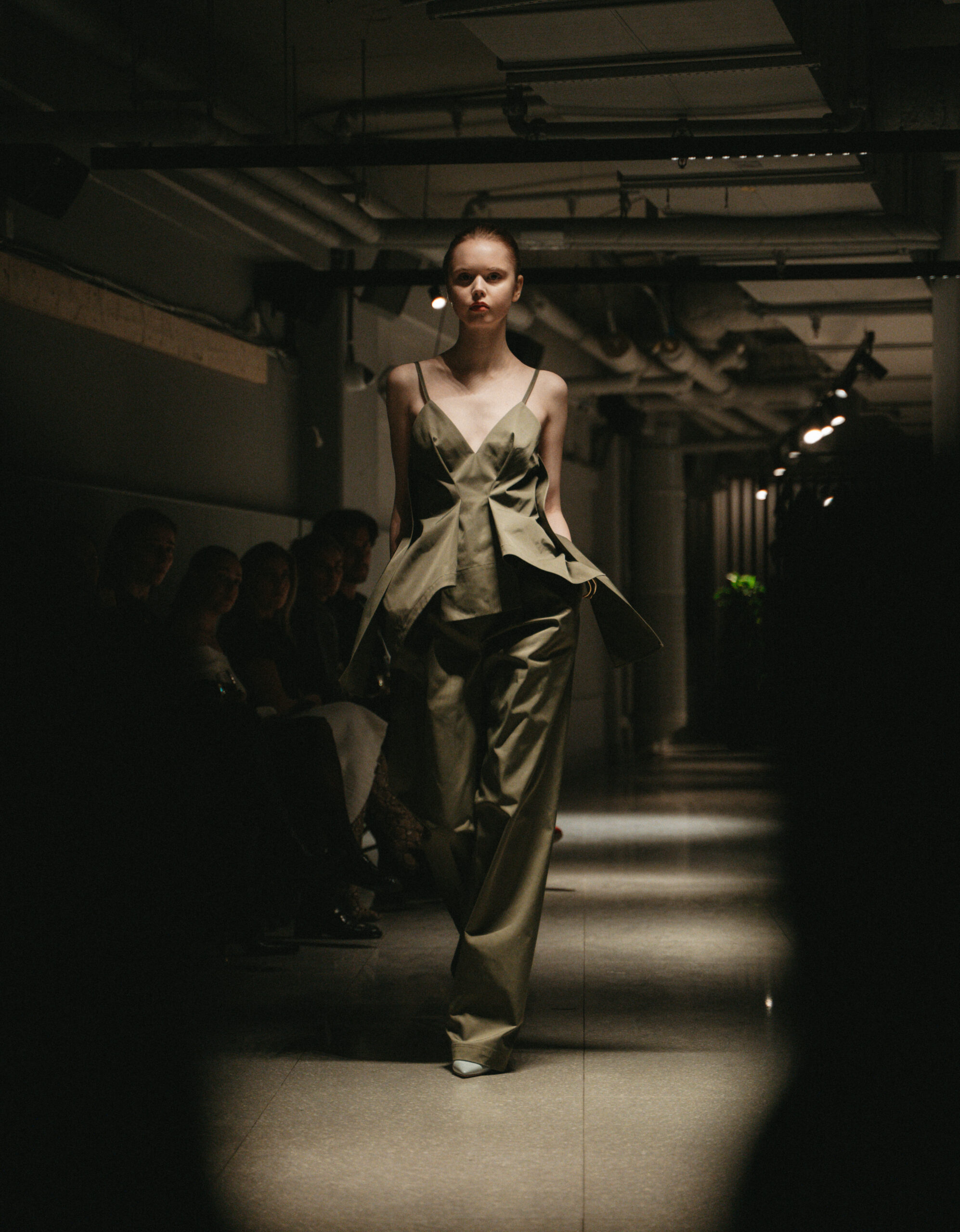
Photo cred: Viktor Tägt Ring
Sustainability and conscious production seem central in your approach. How do you select materials and balance design ambition with environmental responsibility?
This question can also be answered from a design perspective. When I first encountered the terms sustainability and conscious production, they felt rather grand and distant. However, as I became more deeply involved in the production process, I began to see the amount of fabric discarded after cutting, as well as the excessive pilling and residue that appear during everyday washing and drying. These experiences led me to reflect on my responsibility as a producer.
As a result, I tend to select materials that are more durable and produce less pilling over time. When I speak about sustainability, I focus less on what is being produced and more on what is being discarded.
Although the concept once felt abstract, I now continue with what I see as a conscious scale of production, an approach I have deliberately chosen, while seeking ways to be slightly less harmful to the environment. Even if it is not possible to address every aspect perfectly, I believe in taking responsibility within the areas I can influence. This mindset is deeply connected to the fact that my design inspiration begins with nature.
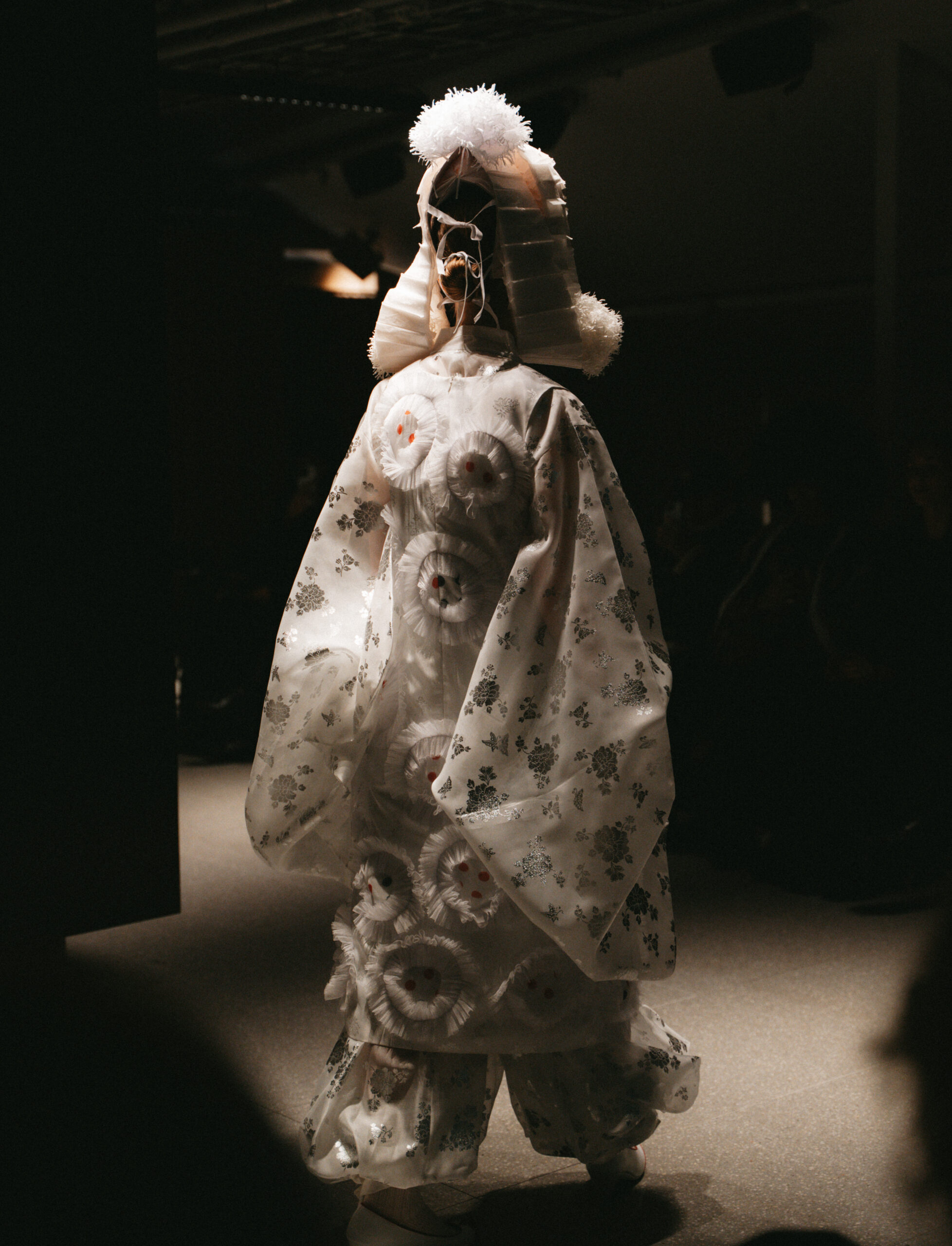
Photo cred: Viktor Tägt Ring
Your collections are described as emotionally driven, carrying a sense of storytelling, memory and individuality. Could you tell us about a specific collection that best embodies this philosophy, and the story behind it?
Rather than speaking about an entire collection, I would like to share a few specific looks as an example.
Not long ago, we all experienced several years of profound isolation during the pandemic.
During my own period of self-imposed isolation, my desire to create only grew stronger, and my awareness of nature and the environment deepened significantly. Around that time, I found myself returning to the observation of jellyfish. They were not unfamiliar creatures, and I was already aware of both their beauty and their potential harm. What truly captivated me was the fact that despite being composed of more than 94 percent water, jellyfish have existed on Earth since long before dinosaurs and continue to survive today.
In the presence, strength, and quiet beauty of a life form made almost entirely of water, I began to ask questions about how we might understand life and beauty moving forward. Acting as a spokesperson for the jellyfish, I translated their movement, presence, and form into garments that were presented in a showcase.
Through this work, I came to believe that even without taking an aggressive stance, it is possible to act on environmental awareness through one’s own language as a designer. These looks, shaped by emotion, observation, and respect for nature, best embody the storytelling and individuality that define my practice.
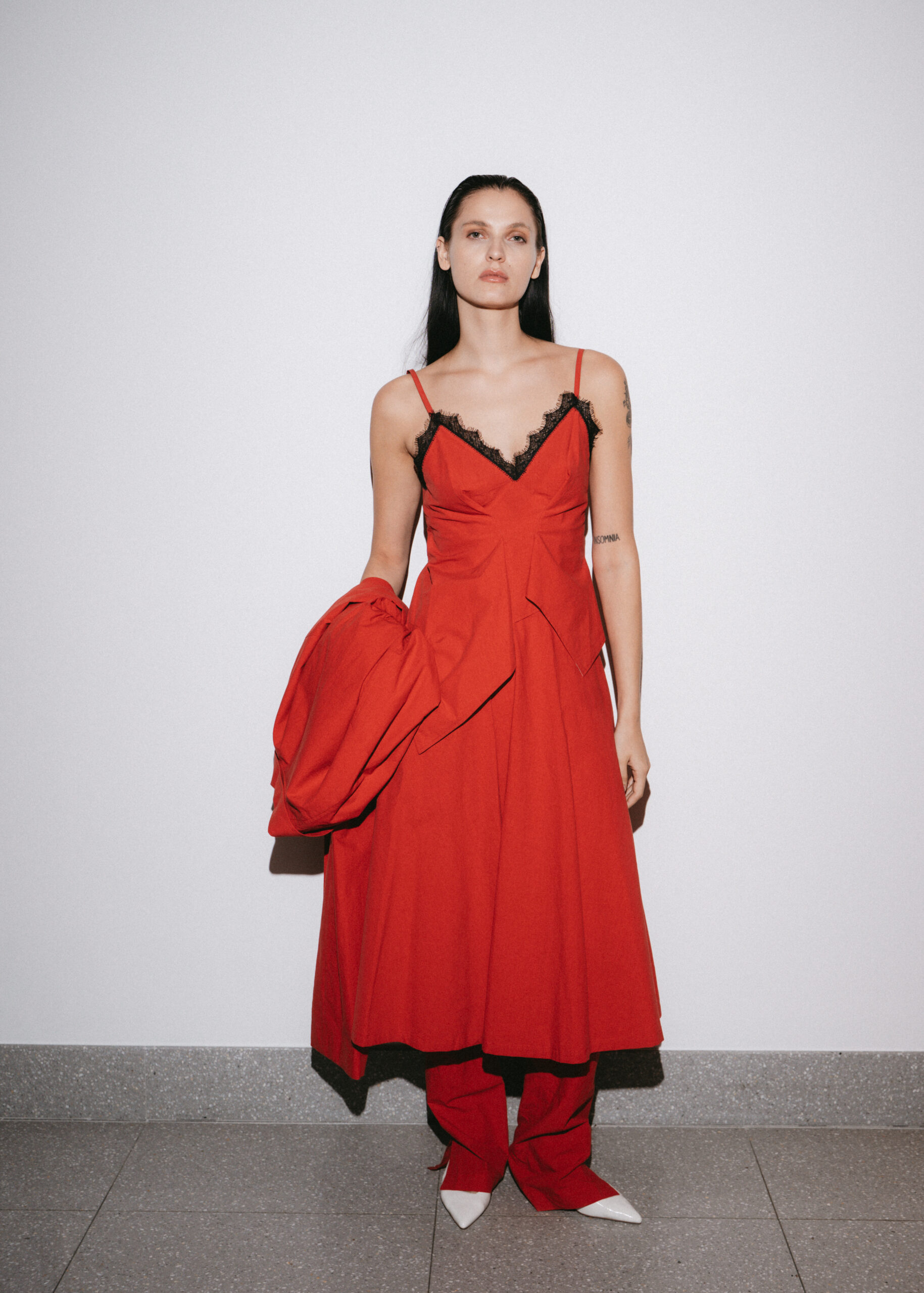
Photo cred: Viktor Tägt Ring
As a designer with training from both East (Seoul) and European couture traditions (Paris), how have these diverse influences shaped your aesthetic and methods?
After first learning fundamental design manuals and technical foundations in Seoul, I encountered an educational environment in Paris that encouraged freedom of thought without limiting ideas. I believe the combination of these two experiences represents an essential capability for a designer.
Being grounded in strong fundamentals while remaining open in thought has allowed my work to avoid relying solely on instinct, while also not restricting the potential of ideas. This approach strengthens the garments themselves and naturally leads to collections with refined completion and coherent storytelling.
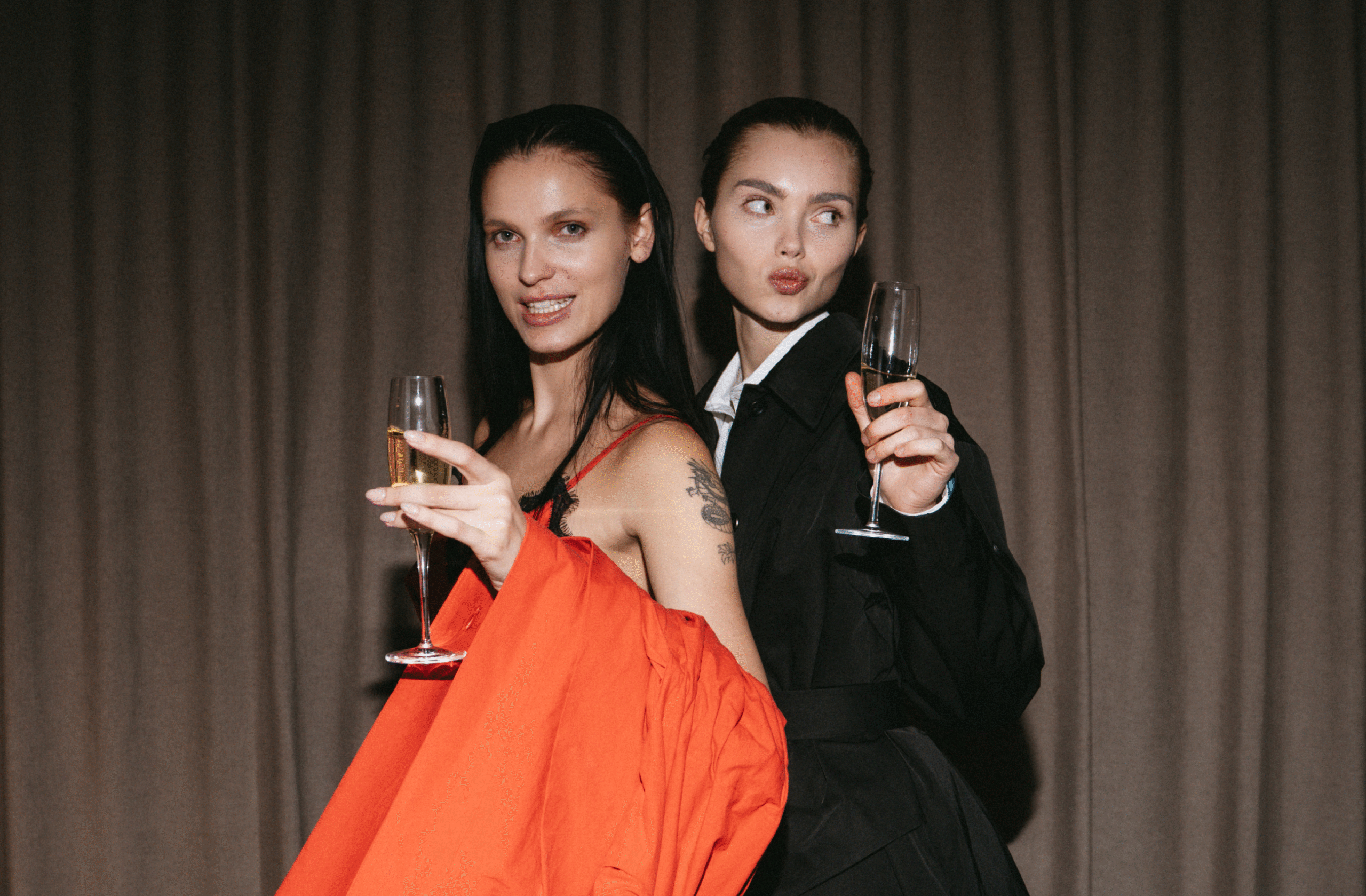
Photo cred: Viktor Tägt Ring
Looking ahead: what creative explorations, challenges or innovations are you eager to explore with Benjamine Cadette in the coming seasons?
Looking ahead, one of my most important goals is to create a space in Stockholm where artistic inspiration can be shared. Rather than functioning simply as a showroom, I envision it as a cultural hub where different creators can share sensibilities and engage in open dialogue.
I have long been deeply moved by the way Swedish artists approach nature, observing and recording even the smallest forms of life, and passing those sensibilities on through their own artistic languages to the next generation. They view nature not as something to be used, but as a living presence deserving of respect, and I sincerely admire their role as transmitters of this perspective.
Within such a culture, I hope to create a space where artistic conversations can unfold naturally. As I continue to learn more about Swedish culture, I feel my own sensibility expanding in a way that is both richer and healthier, much like the diversity found in nature itself. I want to share this vital sensibility in Sweden as much as possible.
Through the process of absorbing Sweden’s attitudes of respect and observation from an outsider’s perspective, I believe my work can grow into new territory, one where my design language meets Swedish sensibility. To me, Sweden feels like a place with an openness that can genuinely embrace this kind of creative exchange.
